Japan Aerospace Exploration Agency (JAXA)

JAXA is Japan’s national space agency responsible for space exploration, satellite development, and scientific research in space.
European Space Agency (ESA)

The European Space Agency (ESA) is an intergovernmental organization dedicated to the exploration of space. It was established in 1975.
Roscosmos (Russian Federal Space Agency)

Roscosmos, officially known as the Russian Federal Space Agency is the governmental body responsible for space exploration in Russia.
NASA: The National Aeronautics and Space Administration

NASA is the United States’ government agency responsible for civilian space exploration, scientific discovery, and aeronautics research.
The Kepler Space Telescope

The Kepler Space Telescope was a pioneering NASA mission launched on March 7, 2009, with the primary goal of discovering exoplanets.
The XMM-Newton Telescope

The XMM-Newton telescope, also known as the X-ray Multi-Mirror Mission, is a space-based X-ray observatory launched by ESA in 1999.
The Spitzer Space Telescope

An infrared telescope (2003–2020) that studied distant galaxies, stars, and planets, contributing to exoplanet discoveries.
The Chandra X-Ray Observatory

Chandra specializes in X-ray astronomy, observing high-energy regions of the universe like black holes and supernova remnants.
The James Webb Space Telescope

The James Webb Space Telescope (or JWST) is one of the most advanced space observatories ever built. It was launched in 2021.
The Hubble Space Telescope

A flagship optical and ultraviolet telescope, the Hubble has provided high-resolution images of the universe since 1990.
The Tianwen-1 Mission

The Tianwen-1 mission, led by the China National Space Administration (CNSA), is China’s first interplanetary mission to Mars.
ExoMars Rosalind Franklin Rover
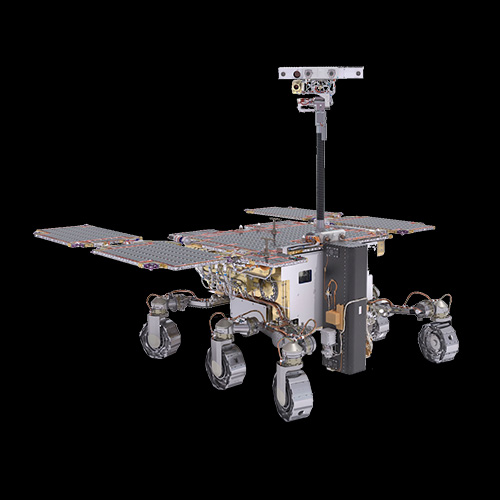
The ExoMars program aims to search for signs of life on Mars, investigate the planet’s geological history, and gather information.
All the Mars Rovers by Date

Explore the list of all Mars rovers (Sojourner and Spirit to Zhurong and ExoMars), along with key information about each mission.
How Do Solar Panels Work in Space?
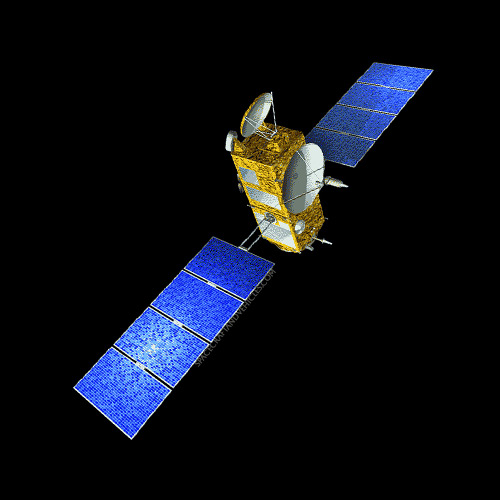
Have you ever wondered how spacecraft get their energy? Here’s a detailed breakdown of how solar panels function in the space environment.
Lunik 20 Lunar Lander

Luna 20 (or Lunik 20) was the second successful robotic mission (after Luna 16) to return samples from the Moon to Earth.
All The Luna Missions In Order

The Luna Program was a series of robotic space missions conducted by the Soviet Union between 1959 and 1976 for exploring the Moon.
Saturn IB Rocket

The Saturn IB was designed for crewed Apollo missions in low Earth orbit and was crucial in testing systems for later lunar missions.
Saturn I Rocket

The Saturn I rocket was NASA’s first heavy-lift launch vehicle, developed to support the early stages of the Apollo program.
Saturn Rocket Family
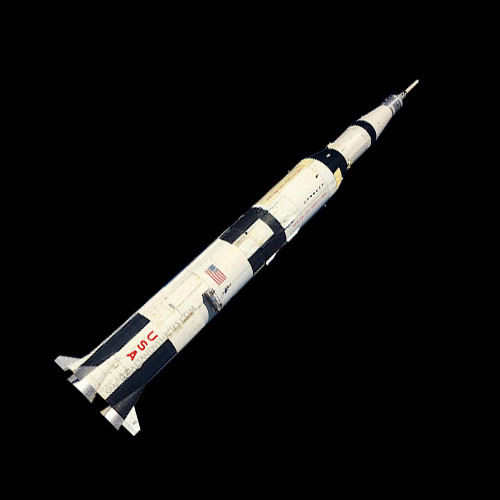
The Saturn rocket family was a series of rockets developed by NASA in the 1960s, designed to support the Apollo program and later missions.
The Apollo 7 Mission

Apollo 7, the first crew mission of the Apollo program, launched on October 11, 1968, marked the successful return to crewed spaceflights.
The Apollo 1 Mission

Apollo 1 was intended to be the first crewed mission of NASA’s Apollo program, aimed at landing humans on the Moon.
The Soyuz TMA-6 Mission

One of the missions that supported ISS operations and included international astronauts from the European Space Agency (ESA) and NASA.
The Soyuz T-10-1 Mission

The Soyuz T-10-1 mission, launched in 1983, is remembered not for its success in space, but for the dramatic rescue of its crew.
The Soyuz 19 Mission

Soyuz 19 is best known for its participation in the Apollo-Soyuz Test Project (ASTP) in 1975, which was a historic moment in the Cold War era.
The Soyuz 11 Mission

The Soyuz 11 mission is one of the most tragic yet historically significant in the history of human spaceflight.
The Soyuz 4 and 5 Missions

Soyuz 4 and 5 were the first successful docking of two crewed spacecraft in orbit. They were launched in 1969 and docked in orbit.
The Soyuz 1 Mission

The first crewed mission ended in tragedy with the death of cosmonaut Vladimir Komarov due to parachute failure.
All The Soyuz Missions In Order
Explore all the Soyuz missions, their goals, spacecraft, and how they fared in launching crewed missions into Earth’s orbit.
Simply explained: What Is an Ascent Propulsion System Engine?

An APS engine is a rocket engine designed to propel a spacecraft from a celestial body into space or back to orbit. Here’s how it works.
Airbus Defence and Space Assembly Facility
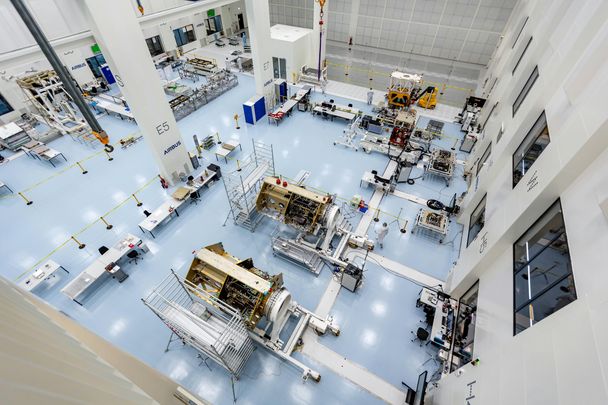
This facility is part of Airbus, a major aerospace manufacturer. It is involved in the assembly and testing of satellites and space systems.
ISRO Satellite Integration and Testing Establishment (ISITE)
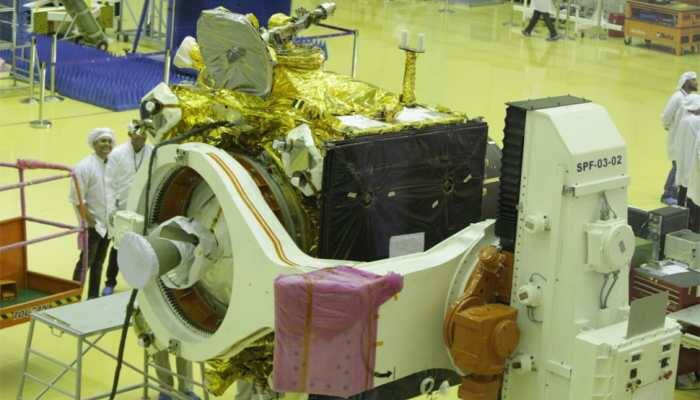
Part of the Indian Space Research Organisation (ISRO), ISITE is responsible for the integration and testing of Indian satellites.
NASA’s JPL’s Spacecraft Assembly Facility
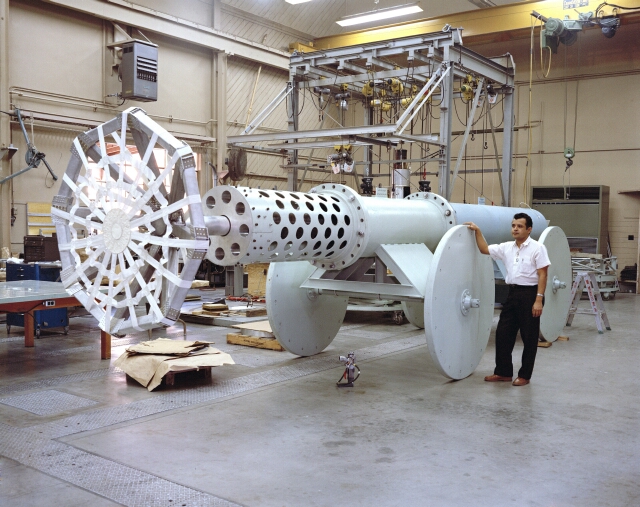
This facility is known for assembling and testing many of NASA’s robotic spacecraft, including the Mars rovers.
Intrepid Sea, Air & Space Museum
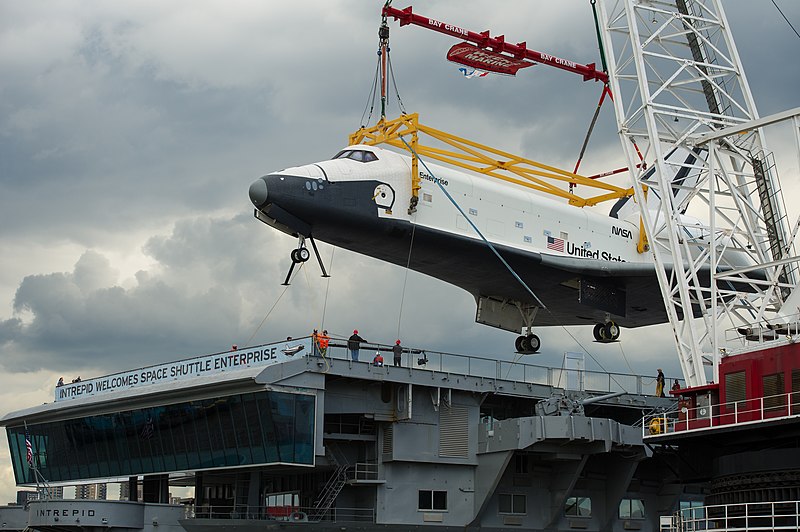
Located on the aircraft carrier USS Intrepid, this museum includes the Space Shuttle Pavilion, which houses the Space Shuttle Enterprise.
The Memorial Museum of Cosmonautics
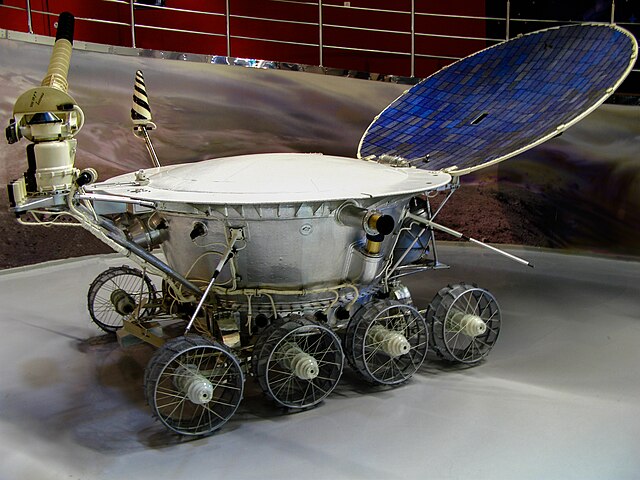
Dedicated to the history of space exploration, this museum features exhibits on Soviet and Russian space programs, including artifacts.
Kennedy Space Center Visitor Complex
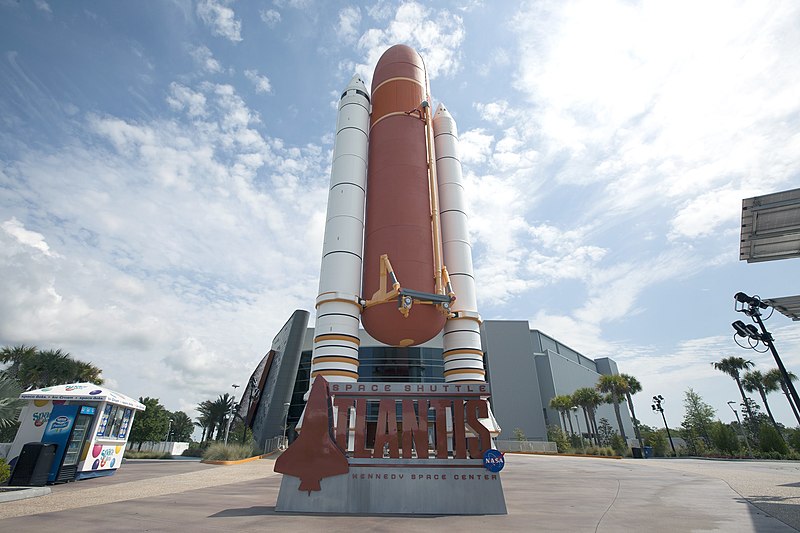
Located near NASA’s Kennedy Space Center, this complex offers exhibits, tours, and interactive displays focused on space exploration.
Smithsonian National Air and Space Museum
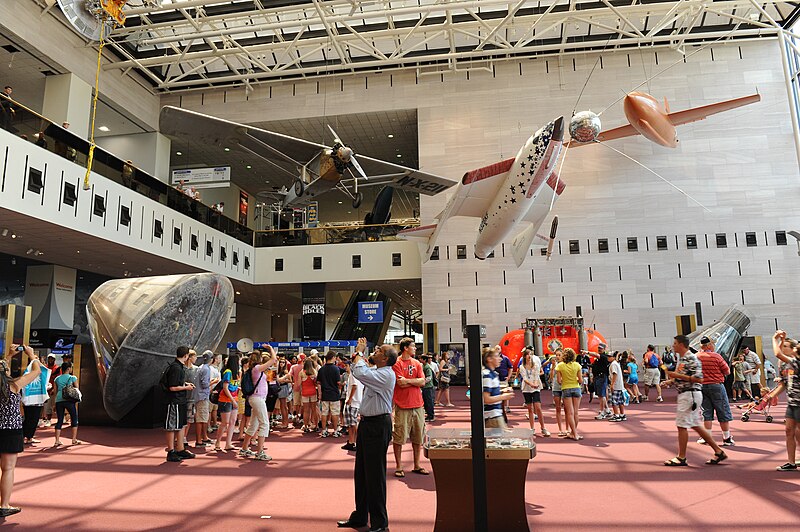
Explore the Smithsonian National Air and Space Museum, home to iconic aircraft and spacecraft, interactive exhibits, and educational programs.
SpaceX Mission Control
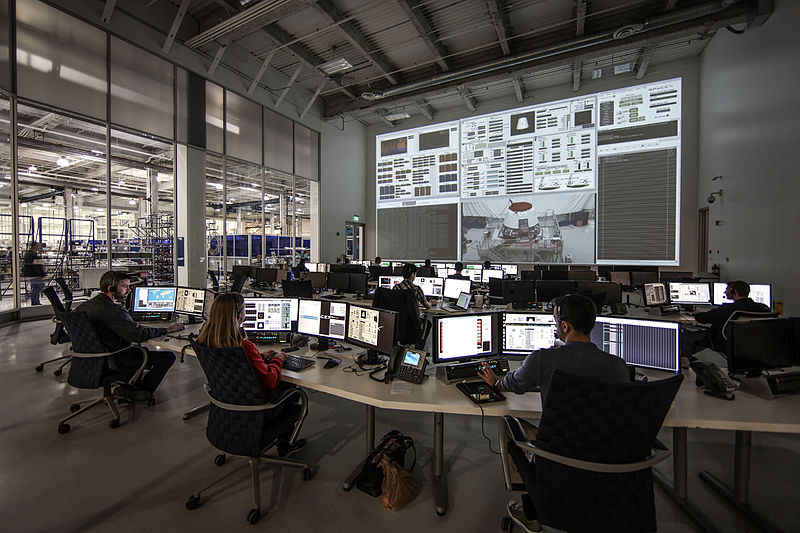
Discover SpaceX Mission Control in Hawthorne, California, the hub for managing groundbreaking missions like reusable rockets and launches.
ISRO’s Mission Control Centre
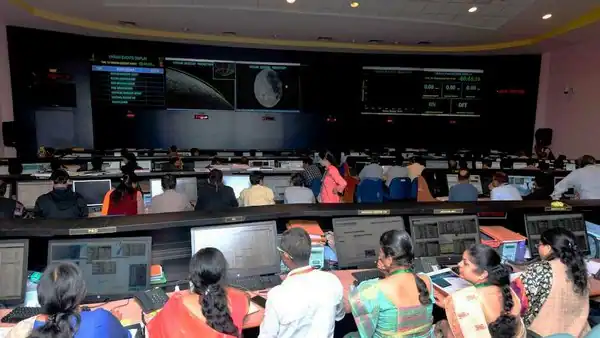
Explore ISRO’s Mission Control Centre in Bengaluru, India, the heart of Indian space mission management, overseeing landmark missions.
Roscosmos’ Mission Control Center
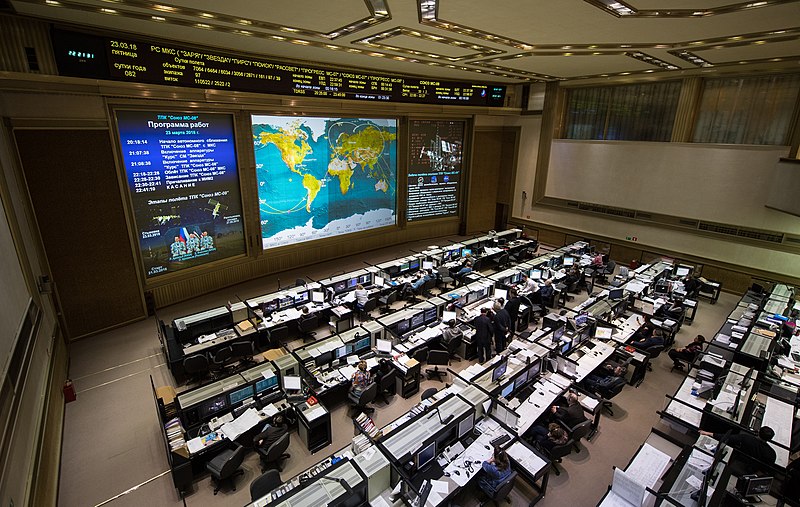
Explore Roscosmos’ Mission Control Center (TsUP), the heart of Russian space mission control, managing historic and current missions.
European Space Operations Centre
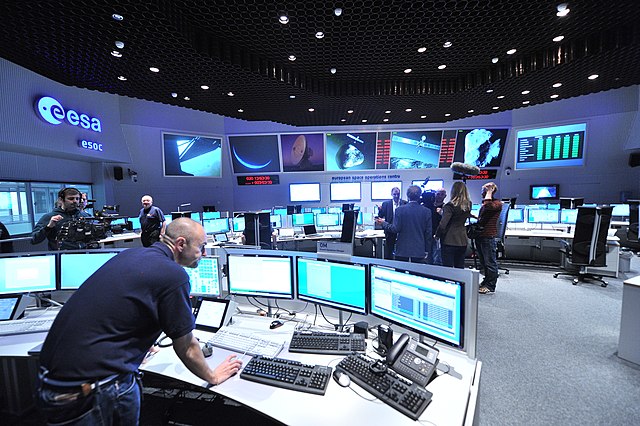
Explore ESA’s European Space Operations Centre in Darmstadt, Germany, the nerve center for mission control and the management of missions.
NASA’s Johnson Space Center
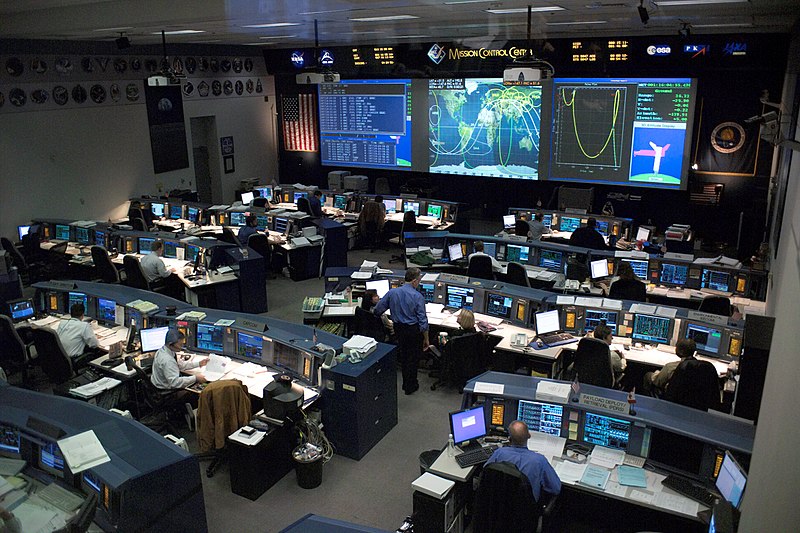
Explore NASA’s Johnson Space Center, the heart of human spaceflight operations, home to mission control, training, and key space missions.
SpaceX Headquarters
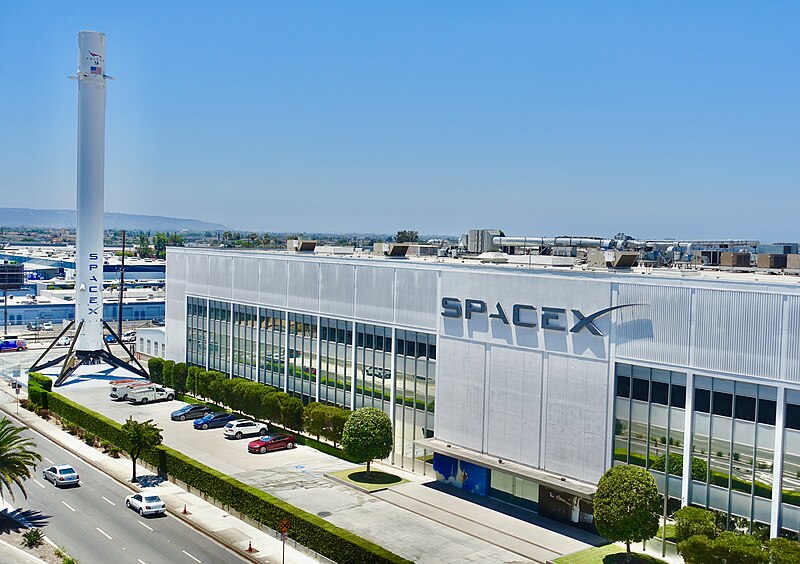
Explore SpaceX Headquarters and Development Facility in Hawthorne, CA, the home of groundbreaking Falcon rockets and Starship.
TsNIIMash Institute of Machine Building
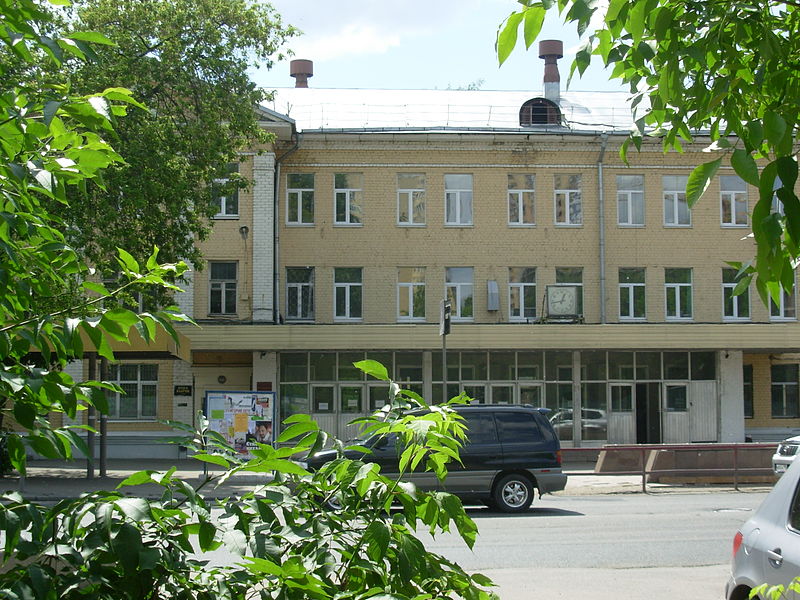
Explore the TsNIIMash, Russia’s premier space research center, known for pioneering achievements like Sputnik 1 and Vostok 1.
Vikram Sarabhai Space Centre
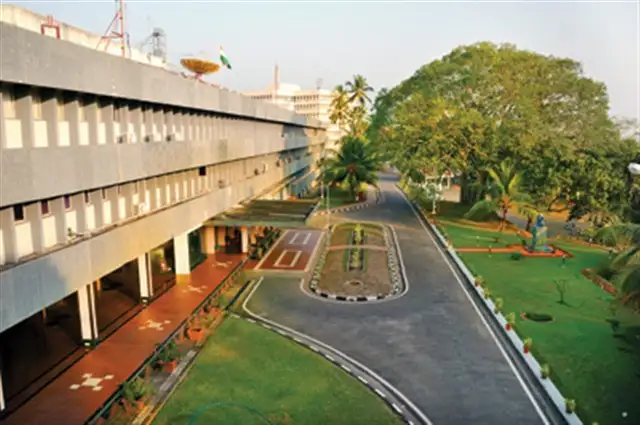
Discover the Vikram Sarabhai Space Centre, ISRO’s hub for satellite launch vehicle development, known for key missions like Mangalyaan.
The BepiColombo Program
Explore the BepiColombo program, a joint ESA and JAXA mission to study Mercury. Learn about its objectives, spacecraft, and current status.
Mercury Magnetospheric Orbiter (MMO)
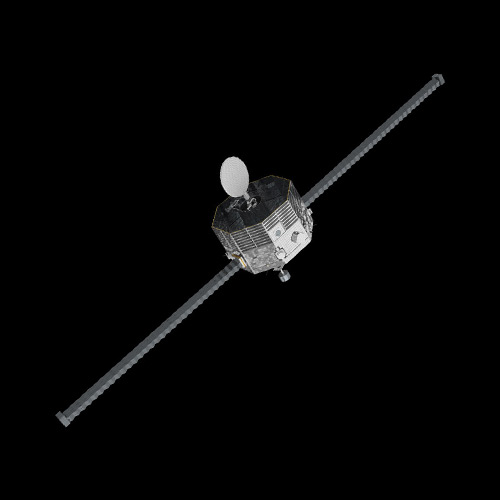
Explore the MMO, part of JAXA and ESA’s BepiColombo mission, designed to study Mercury’s magnetosphere and solar winds.
Mercury Planetary Orbiter (MPO)
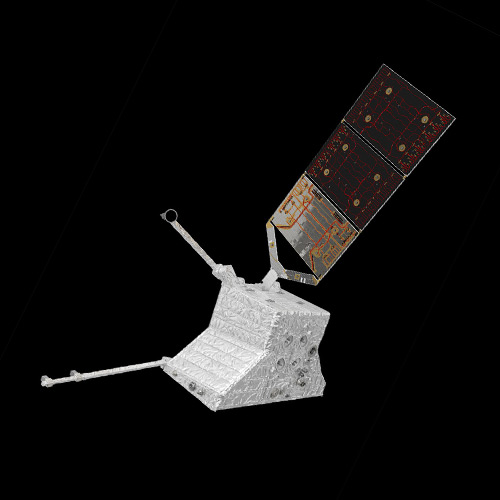
Discover the Mercury Planetary Orbiter, part of ESA’s BepiColombo mission, designed to study Mercury’s surface, geology, and magnetic field.
Galileo Navigation Satellites
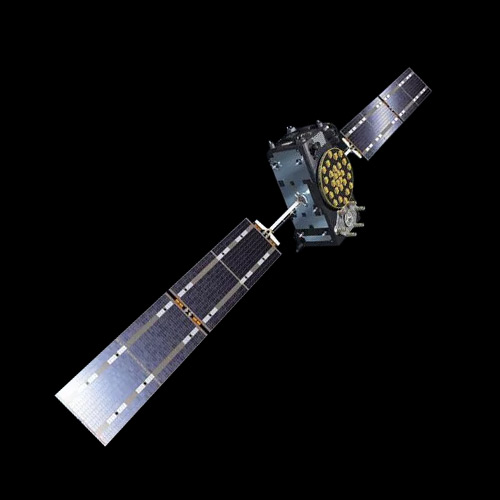
Discover the Galileo Navigation Satellites, Europe’s advanced global positioning system, known for high precision and reliability.
Huygens Probe
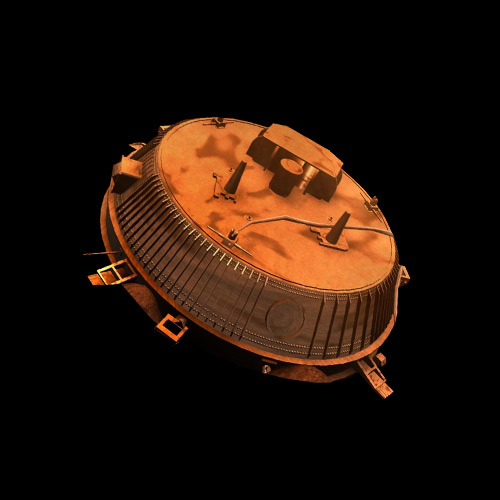
Explore the Huygens Probe, a pioneering ESA mission to Titan, Saturn’s largest moon, and its design, objectives, achievements, and legacy.
The Mars Express Program
Explore ESA’s Mars Express mission, Europe’s pioneering venture to Mars, known for discovering water ice, mapping the surface in 3D.