Lunar Surface Rovers vs. Mars Rovers — What’s Different?

While lunar and Martian rovers may look similar at first glance, they are engineered for dramatically different worlds.
What is the Deep Space Network (DSN)?
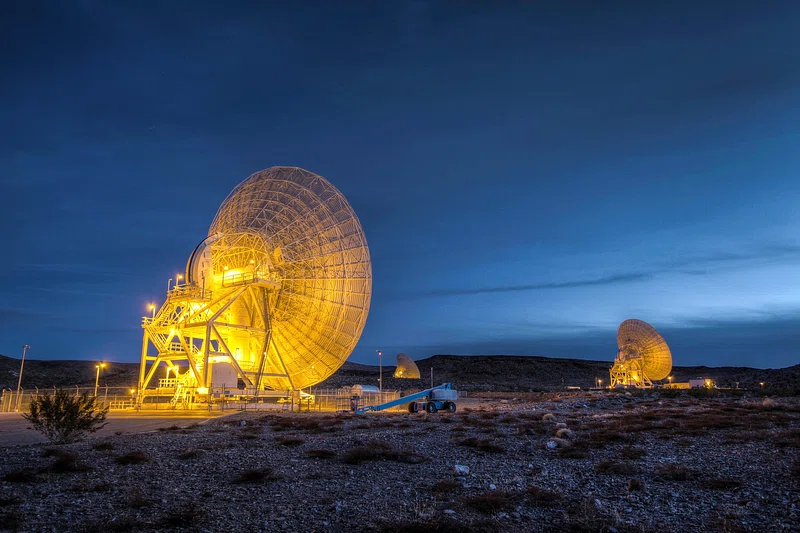
The Deep Space Network (DSN) is a global system of giant radio antennas operated by NASA. Here’s how it works in detail.
How Voyager 1 Continues to Send Data Beyond the Solar System

Why Voyager 1 stands as humanity’s most distant emissary and decades later still transmits valuable scientific data from interstellar space.
Understanding The Different Types of Rocket Fuel & Propellants
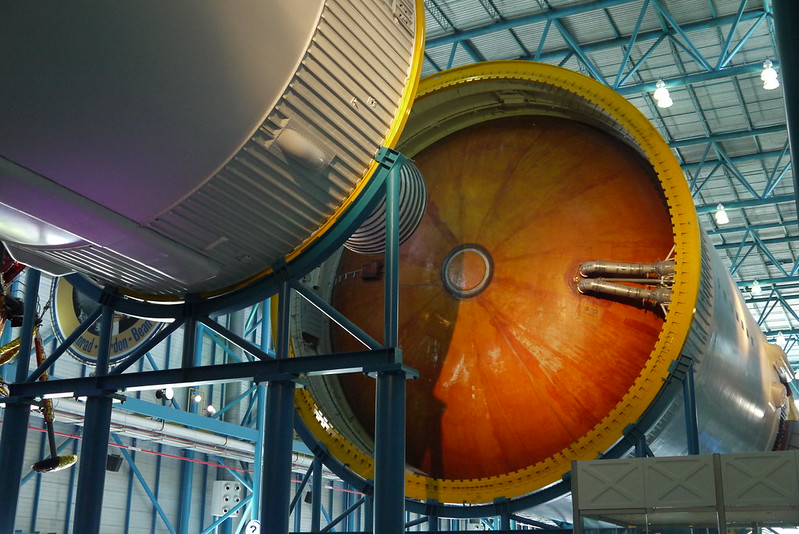
Different rocket propellants balance thrust, efficiency, cost and safety for space exploration. Here’s a guide to understand them.
Gemini-Agena Target Vehicle (GATV)
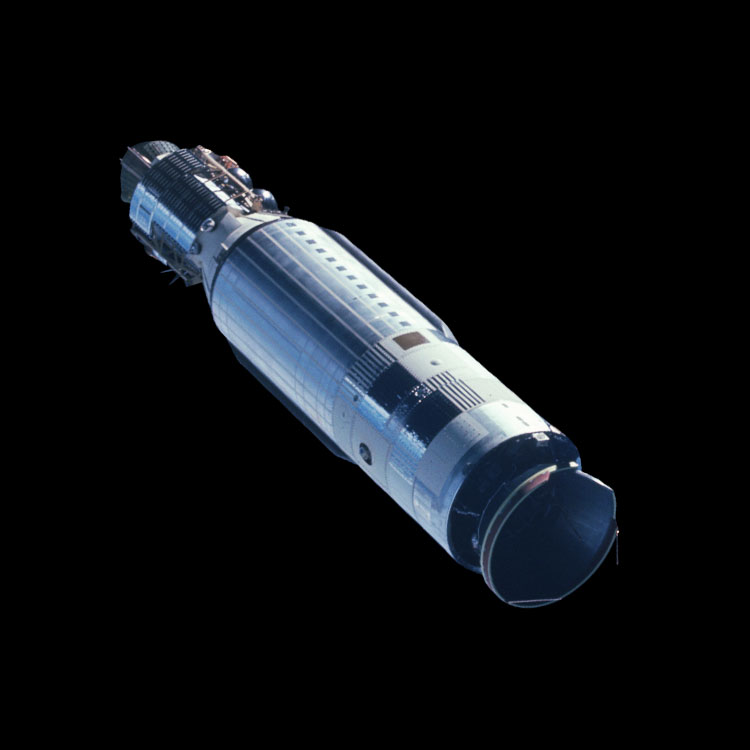
Discover the Orbital Sciences X-34, an innovative suborbital spaceplane designed to revolutionize access to space with reusable technology.
Artificial Gravity Wheels: Why Haven’t We Built One Yet?
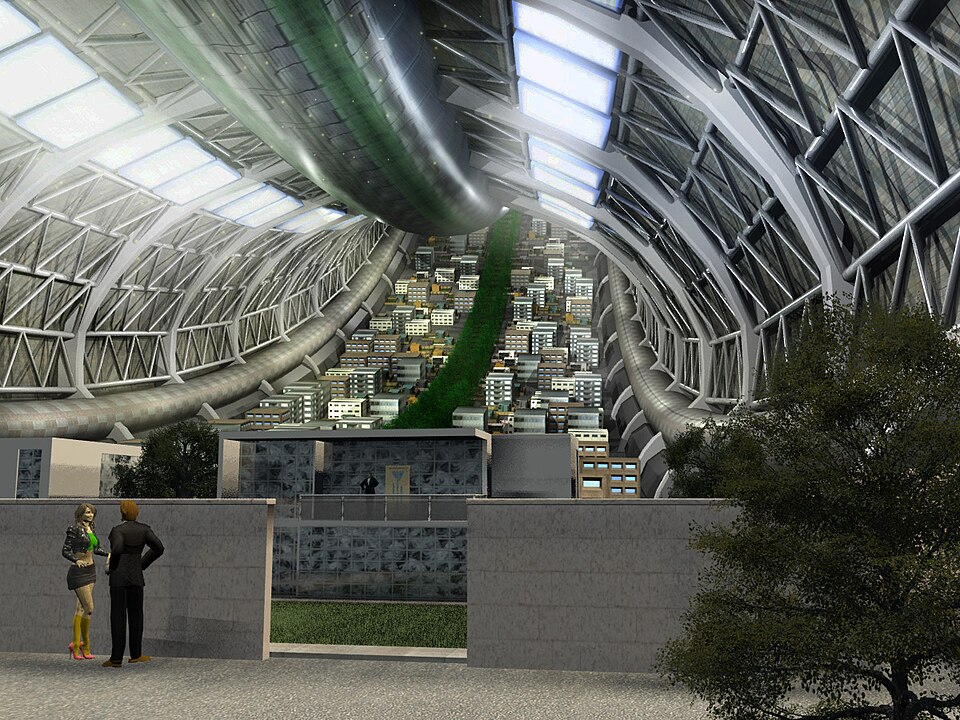
Despite being such a popular idea, nobody has yet built an artificial gravity wheel. Here are their engineering headaches, cost, and physics.
10 of the Best Space-Themed Movies and Their Scientific Accuracy
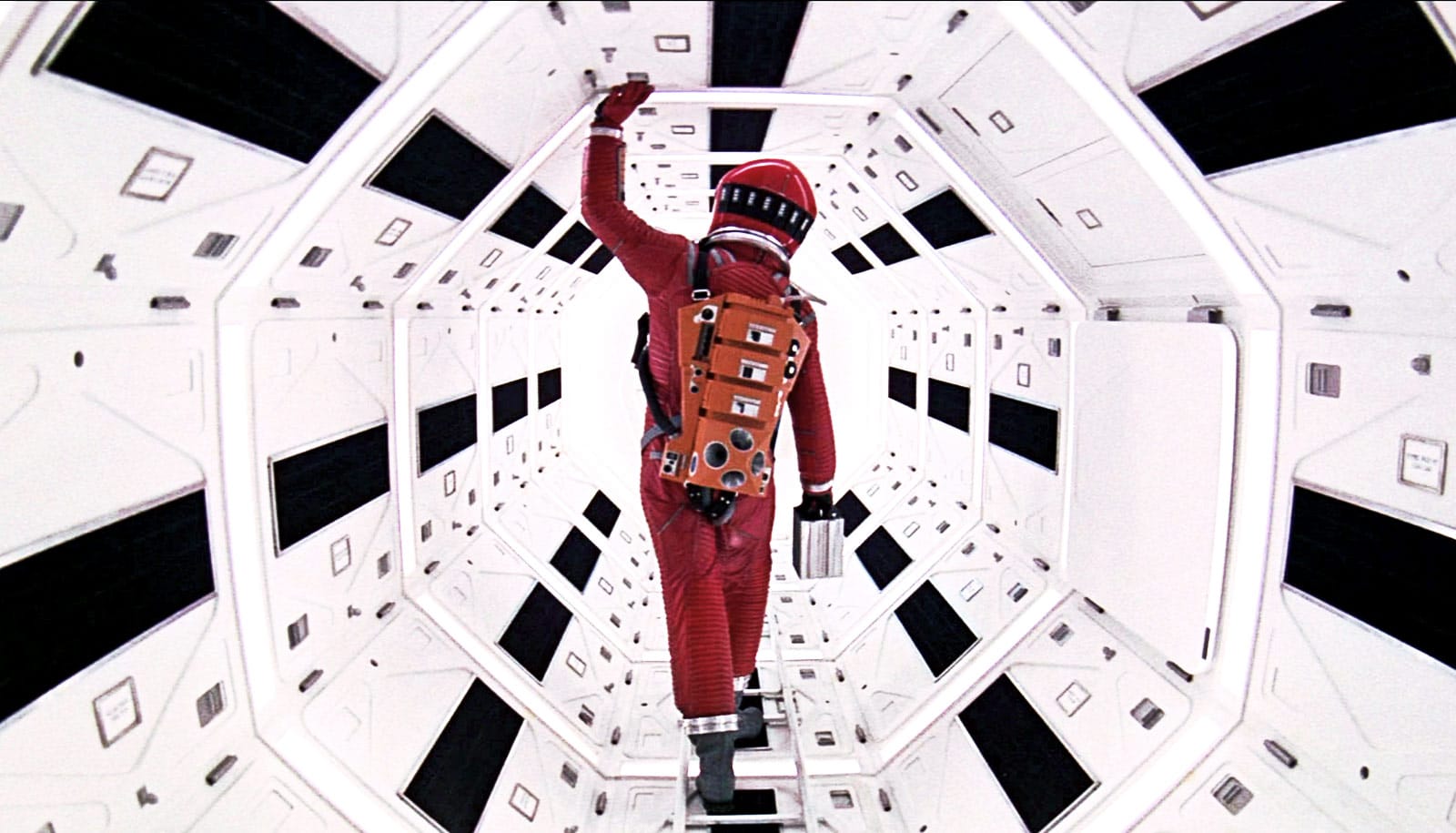
If you love space exploration, here’s a list of 10 of the best space-themed movies, mixing realism, adventure, and science fiction.
The Commercial Crew Program (CCP)

Learn more about this NASA’s initiative that funded private spacecraft (SpaceX Crew Dragon, Boeing Starliner) to ferry astronauts to the ISS.
The Gaganyaan Human Spaceflight Program

The Gaganyaan Human Spaceflight Programme is India’s flagship effort to send its own astronauts into space aboard an indigenous spacecraft.
Pencil Rocket
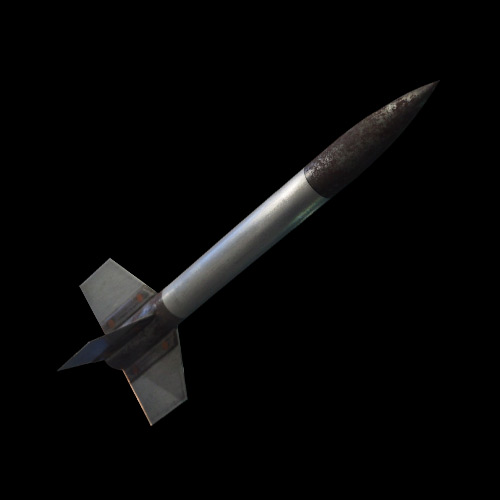
The Pencil Rocket was developed in 1954 by the University of Tokyo by Hideo Itokawa, often regarded as the father of Japanese rocketry.
H-I Rocket
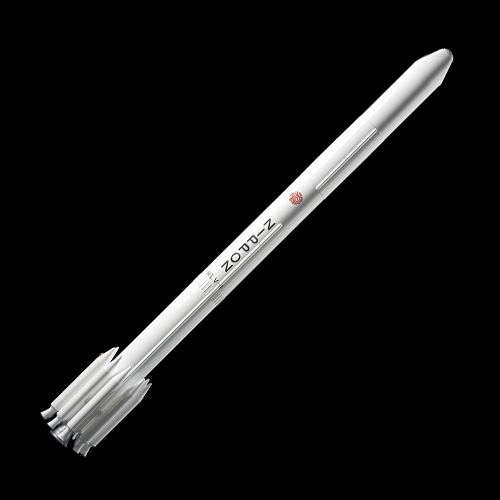
The H-I was Japan’s first medium-lift launch vehicle to incorporate liquid-fuel technology. It was developed by NASDA in the 1980s.
Lambda Rocket Family
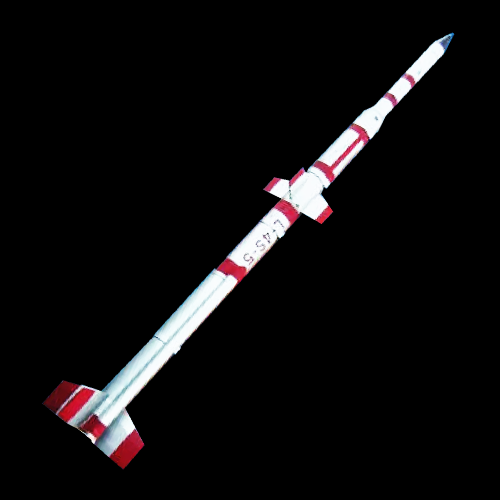
The Lambda rocket family was a series of Japanese carrier rockets designed for scientific missions, including research and satellite launches.
Main Types of Earth Orbits and Their Spacecraft
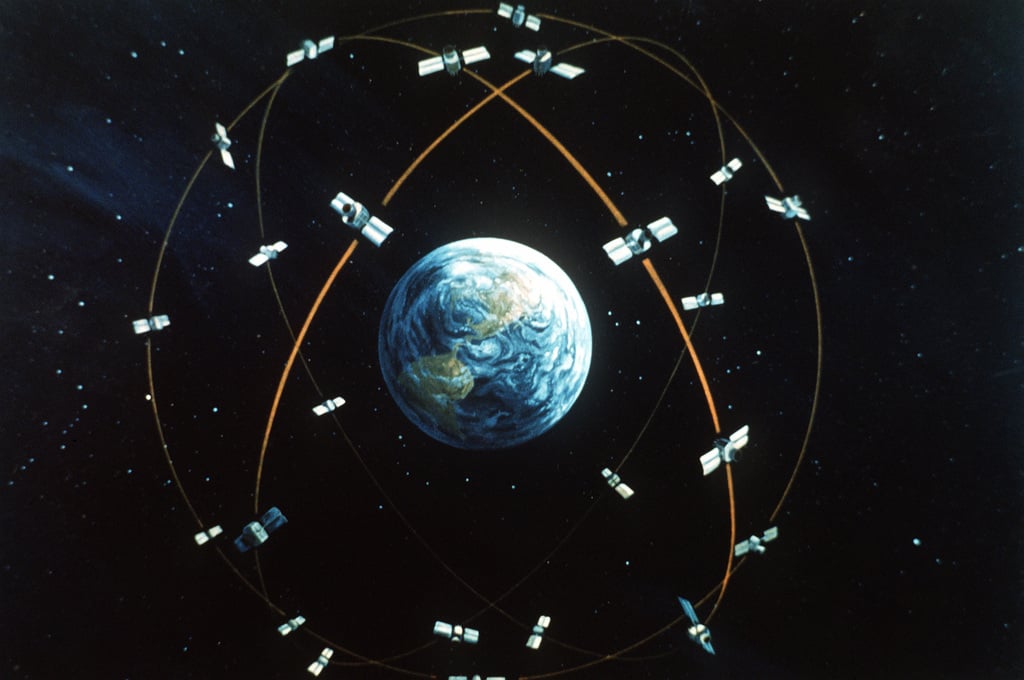
Learn about the most commonly recognized Earth orbits based on altitude and inclination, including LEO, MEO, GSO, SSO, and more.
All The Sputnik Missions In Order
Explore all the Sputnik missions, their goals, spacecraft, and how they fared in launching crewed missions into orbit.
Why Did The Soviets Call Their Satellites Kosmos?
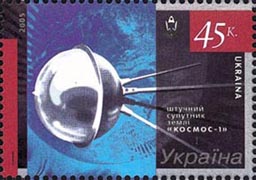
The name Kosmos started in 1962, and it was used for satellites that either malfunctioned or were designed to orbit Earth but not go further!
Kosmos 482 Venus Probe
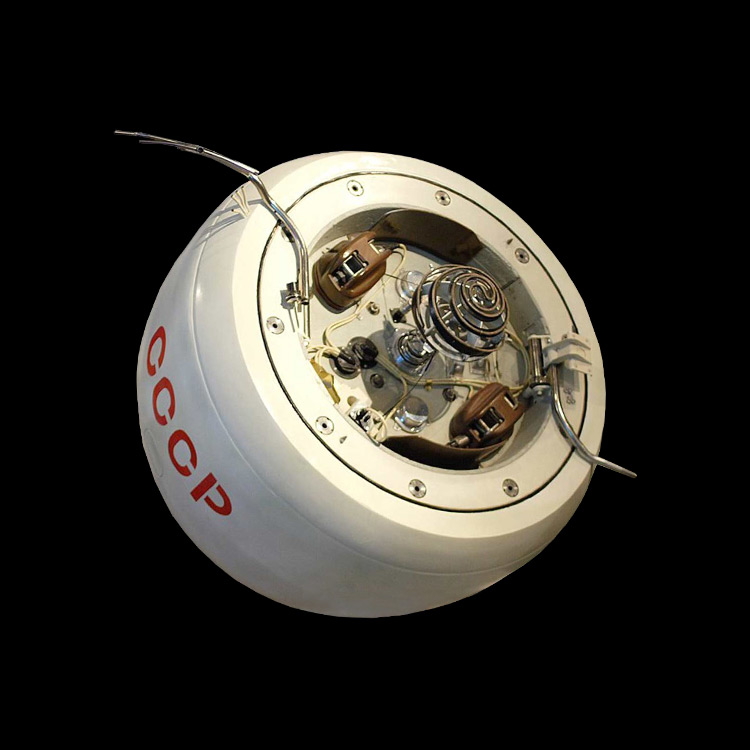
Kosmos 482 or Космос 482 was a Soviet Venus probe. It launched in 1972 but failed to escape low Earth orbit.
Liquid Fly-Back Booster (LFBB)

The V-2 rocket, developed by Nazi Germany, was the world’s first long-range ballistic missile and first object to reach space.
Vergeltungswaffe 2 (V2) Rocket

The V-2 rocket, developed by Nazi Germany, was the world’s first long-range ballistic missile and first object to reach space.
Hermès Spaceplane

Hermès was a planned European space shuttle developed in the 1980s–90s by CNES and ESA. It was unfortunately cancelled before flight.
The Hermès Spaceplane Project

The Hermès spaceplane was an ambitious French-European project conceived during the 1980s as Europe’s answer to NASA’s Space Shuttle.
Vesta Rocket

The Vesta rocket was a French sounding rocket developed in the early 1960s as the successor to the Véronique series.
Véronique Rocket Family

The Véronique rocket family was France’s first liquid-fueled sounding rocket series, used from the 1950s to 60s for high-altitude research.
The Véronique & Vesta Rocket Program

Véronique and Vesta was France’s pioneering rocket programs. It laid the groundwork for its entry into space during the 1950s and 60s.
The Diamant Rocket Program

The Diamant rocket program was France’s first orbital launch vehicle and marked a major milestone in European space history.
Diamant A Rocket

Discover the Diamant A rocket, France’s first orbital launch vehicle. Learn about its design, missions, and its role during the Cold War.
CNES: The French National Space Agency

CNES (Centre National d’Études Spatiales) is the French National Space Agency, responsible for carrying out France’s space policy.
AGILE Satellite

AGILE (Astro-Rivelatore Gamma a Immagini LEggero) was an Italian X-ray and gamma-ray astronomical satellite launched in 2007.
BeppoSAX Satellite

BeppoSAX was an Italian–Dutch satellite dedicated to X-ray astronomy, particularly gamma-ray bursts (GRBs).
San Marco 1 Satellite

San Marco 1 was Italy’s first satellite and marked a historic milestone in its space exploration efforts. It was launched in 1964.
The San Marco Program

The San Marco Program was Italy’s pioneering satellite launch initiative, running from the early 1960s to the late 1980s.
ASI: The Italian Space Agency

The Italian Space Agency is the national authority in charge of funding, managing, and overseeing Italy’s space exploration efforts.
Chang’e 5 Lunar Sample Return

Chang’e 5 was a Chinese lunar sample return mission launched on November 23, 2020. It had an orbiter, a lander, an ascender, and a returner.
Chang’e 2 Lunar Probe

Chang’e 2 was China’s second lunar probe, launched on October 1, 2010, as part of the Chinese Lunar Exploration Program.
Chang’e 1 Lunar Orbiter

Chang’e 1 was China’s first spacecraft to explore the Moon, launched in 2007 to study its surface, environment, and composition.
The Chang’e Program

The Chang’e program is China’s ambitious series of lunar exploration missions, named after the moon goddess from Chinese mythology.
Haolong Space Shuttle

China recently unveiled the Haolong space cargo shuttle, a reusable spacecraft designed to transport cargo to and from the Tiangong station.
Vanguard 1

Vanguard 1, launched by the United States on March 17, 1958, was the fourth artificial Earth-orbiting satellite to ever be launched.
Space Shuttle Endeavour

The Space Shuttle Endeavour (OV-105) was NASA’s fifth and final operational space shuttle orbiter, constructed to replace Challenger.
Space Shuttle Atlantis

The Space Shuttle Atlantis was NASA’s fourth operational orbiter. Atlantis was lighter than its predecessors.
Space Shuttle Discovery
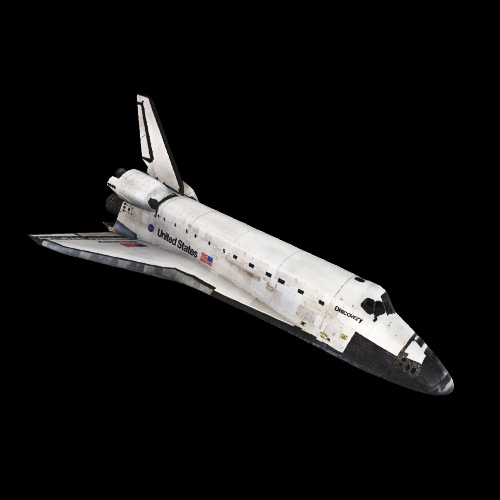
Constructed by Rockwell International, Space Shuttle Discovery was delivered to Kennedy Space Center in November 1983.
Space Shuttle Challenger

Initially, the Challenger was built as a Structural Test Article to undergo ground-based stress tests but was converted into an orbiter.
Space Shuttle Columbia

The Space Shuttle Columbia was NASA’s first operational orbiter. It launched on April 12, 1981 and returned safely to Earth.
Space Shuttle Enterprise

The Space Shuttle Enterprise was NASA’s first space shuttle orbiter, built in the 1970s. It actually never flew in space.
All About The Orlan Space Suit: The Russian EVA

The Orlan space suit is a series of Russian-made extravehicular activity (EVA) suits first introduced in the 1970s for spacewalks.
What Is The Extravehicular Mobility Unit (EMU)?

Explore the EMU, NASA’s state-of-the-art spacesuit designed for extravehicular activities (EVAs) in microgravity environments.
All the ISS Modules and How They Are Used
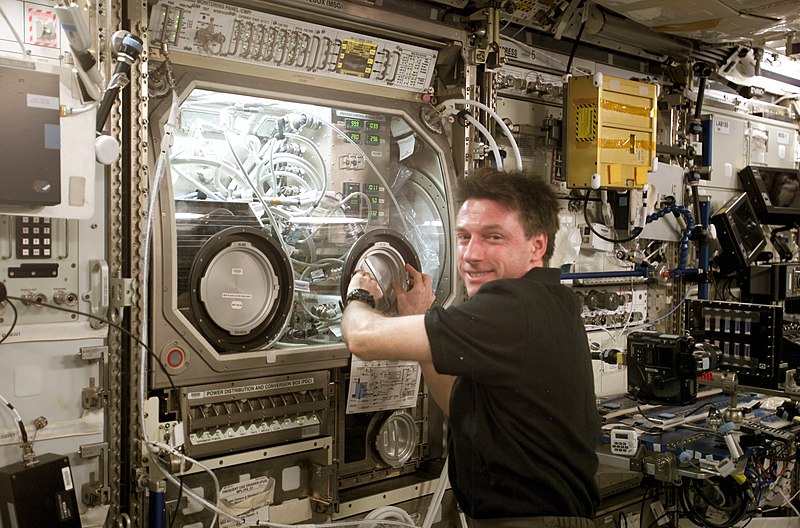
The ISS is built from interconnected modules contributed by various countries. Learn more about each of them and their purpose.
The Nedelin Catastrophe: One Of The Worst Disasters in Space Exploration

The Nedelin Catastrophe from 1960 resulted in the deaths of over 100 military personnel, engineers, and technicians. What caused it?
The Vostok 1-6 Crewed Missions (1961-63)

The Vostok program pioneered the first crewed missions in orbit. Each mission pushed the boundaries of endurance and capability.
The Vostok 3KA Missions (1961)
The Vostok 3KA series represented the final steps toward the first human spaceflight, with two critical uncrewed missions testing the design.
The Vostok 1K Missions (1960)
The Vostok 1K series from 1960 tested life-support systems and spacecraft recovery capabilities. Learn more about its different missions.