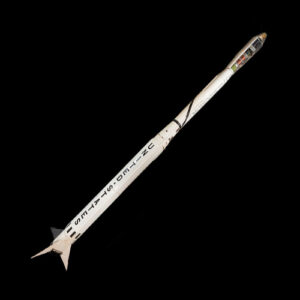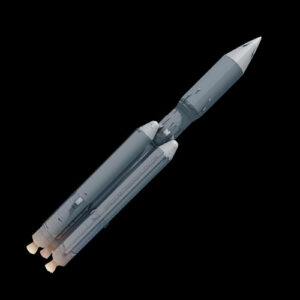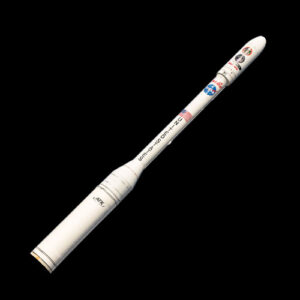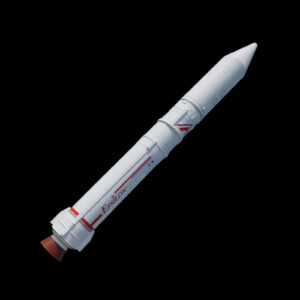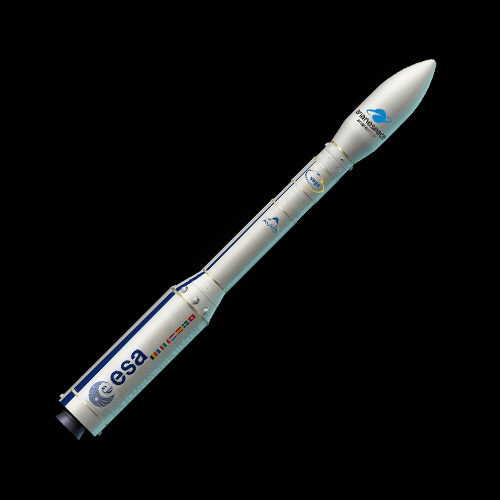
The Vega rocket is a versatile launch vehicle developed by the European Space Agency (ESA), primarily designed to deliver small to medium-sized payloads into various orbits. Launched from the Guiana Space Centre in French Guiana, it plays a crucial role in ESA’s efforts to enhance access to space for scientific, commercial, and institutional missions.
Design and Construction
The Vega rocket features a modular design with multiple stages, allowing for flexibility in payload configurations and orbital insertions. Constructed using lightweight yet robust materials, it incorporates advanced technologies to optimize performance and reliability. Unique engineering challenges overcome during its development include achieving cost-effectiveness without compromising mission success.
Mission Objectives
The primary mission objective of the Vega rocket is to deploy satellites and scientific payloads into a wide range of orbits, including sun-synchronous, polar, and geostationary orbits. Secondary objectives may include technology demonstrations, educational initiatives, and international collaboration efforts.
Launch and Deployment
Vega launches are conducted from the Guiana Space Centre using dedicated launch facilities. Each launch undergoes meticulous planning and coordination to ensure precise payload delivery. While most launches proceed smoothly, occasional technical issues or weather constraints may impact launch schedules.
Technical Specifications
- Dimensions: Height varies depending on the payload fairing used
- Weight: Approximately 138 tonnes at liftoff
- Payload Capacity: Up to 1,500 kg to sun-synchronous orbit
- Propulsion System: Liquid and solid rocket motors
- Power Source: Batteries and solar panels
- Instruments and Equipment: Guidance and navigation systems, telemetry equipment, payload fairing
Current Status
The Vega rocket is actively used by ESA and commercial customers for a variety of missions, including Earth observation, scientific research, and technology demonstrations. Ongoing missions continue to expand its capabilities and contribute to advancements in space exploration and satellite technology.